 EN
EN

How Hydrogen Electrolysis Works: A Guide for Industrial Projects
For an industrial team, hydrogen electrolysis is more than a chemistry lesson. It is a connected process that turns treated water and electricity into hydrogen, oxygen, heat, and operating data. Understanding that chain early helps project owners ask better questions about power, water, compression, storage, controls, safety, and the intended use of the hydrogen.
At its core, hydrogen electrolysis uses electrical energy to split water (H₂O) into hydrogen (H₂) and oxygen (O₂). The process happens inside an electrolyzer. If the electricity is supplied by renewable generation, the resulting hydrogen may be described as green hydrogen; the electrolyzer itself does not determine the carbon intensity without considering the power source.
The basic reaction behind hydrogen electrolysis
The overall reaction is simple: water plus electricity produces hydrogen and oxygen. In practice, an industrial hydrogen electrolysis plant has to make that reaction stable, controllable, and safe at the required flow rate. Water enters the stack, direct-current electricity drives the reaction, hydrogen and oxygen leave on separate sides, and downstream equipment conditions each gas for its next use.
For every kilogram of hydrogen produced, the reaction theoretically consumes about 8.93 kg of water. That number is useful for a first estimate, but it is not the whole water balance. Purification losses, cooling requirements, blowdown, and local water-quality requirements can change the design basis. Industrial projects should therefore assess water treatment and water management together with the electrolyzer package.
What an electrolyzer system contains
A practical hydrogen electrolysis system is built from several subsystems rather than a stack alone:
- Water treatment: prepares feedwater to the purity level required by the selected technology.
- Power conversion: transforms incoming AC power into the controlled DC power used by the stack.
- Electrolyzer stack: contains electrodes, an electrolyte or membrane, and flow channels where the reaction occurs.
- Gas-liquid separation and purification: removes moisture and manages gas quality before compression, storage, or use.
- Thermal management: controls operating temperature and rejects or recovers heat where appropriate.
- Controls and safety systems: monitor pressure, purity, flow, temperature, ventilation, alarms, and shutdown logic.
These interfaces explain why hydrogen electrolysis should be evaluated as a plant system. A stack can perform well while the overall project still faces constraints in grid connection, water availability, compression power, or hydrogen offtake.
How the process moves from water to usable hydrogen
- Condition the inputs. The project supplies water and electricity within the operating window set by the technology provider.
- Convert AC to DC. Rectifiers and controls regulate the current delivered to the electrolyzer stack.
- Split water in the stack. At the cathode, hydrogen is formed. At the anode, oxygen is formed. A membrane or separator keeps the product streams apart.
- Separate and treat the gases. Gas-liquid separators remove entrained water; drying or purification may follow depending on the final specification.
- Deliver or store hydrogen. The product can move to compression, storage, a pipeline interface, a fuel cell, an industrial process, or another defined offtake point.
That sequence is the foundation of hydrogen electrolysis, but each step has an operating envelope. Changes in renewable-power output, ambient conditions, water quality, pressure targets, and downstream demand all affect how the package is specified and controlled.
Common electrolyzer technology families
Industrial hydrogen electrolysis projects commonly compare alkaline, proton exchange membrane (PEM), anion exchange membrane (AEM), and solid oxide technologies. They share the same overall water-splitting purpose but differ in materials, operating conditions, dynamic response, maturity, and balance-of-plant needs.
| Technology | Typical project discussion | Early evaluation focus |
|---|---|---|
| Alkaline | Established water-electrolysis approach | Footprint, operating profile, electrolyte handling, system integration |
| PEM | Often considered where dynamic operation matters | Power-response requirements, water quality, pressure and materials considerations |
| AEM | Membrane-based approach under active development and deployment | Technology fit, operating window, supplier documentation, scale-up assumptions |
| Solid oxide | High-temperature route with potential heat integration relevance | Heat-source availability, steam integration, thermal cycling, process coupling |
No table replaces a project-specific assessment. The appropriate fit for hydrogen electrolysis depends on the power profile, required hydrogen pressure and purity, site utilities, maintenance model, schedule, and commercial risk allocation.
Why electricity and operating profile matter
Electricity is normally the dominant operating input in hydrogen electrolysis. A project should define not only its nominal MW rating but also its expected load range, ramping pattern, curtailment strategy, and the relationship between generation and hydrogen demand. Renewable power can support low-carbon production, yet variable output must be reflected in stack operation, buffer storage, and downstream delivery planning.
Industry deployment is growing, but installed capacity does not remove site-specific risk. The IEA reported global installed water-electrolyzer capacity of about 1.4 GW at the end of 2023. For an individual project, the more immediate question remains: can the full system operate reliably under this site’s power, utility, and offtake conditions?
A practical early-stage checklist
Before selecting a hydrogen electrolysis solution, align the technical discussion around a few basic questions:
- What is the target hydrogen flow, annual production profile, purity, and delivery pressure?
- What power source will be used, and how variable is its output?
- What feedwater source and treatment train are available?
- Where will oxygen, heat, and condensate be handled?
- What compression, storage, transport, or process-use interface follows the electrolyzer?
- Which safety codes, permitting requirements, and hazardous-area rules govern the site?
- What data, service access, spare-parts plan, and performance tests are required at handover?
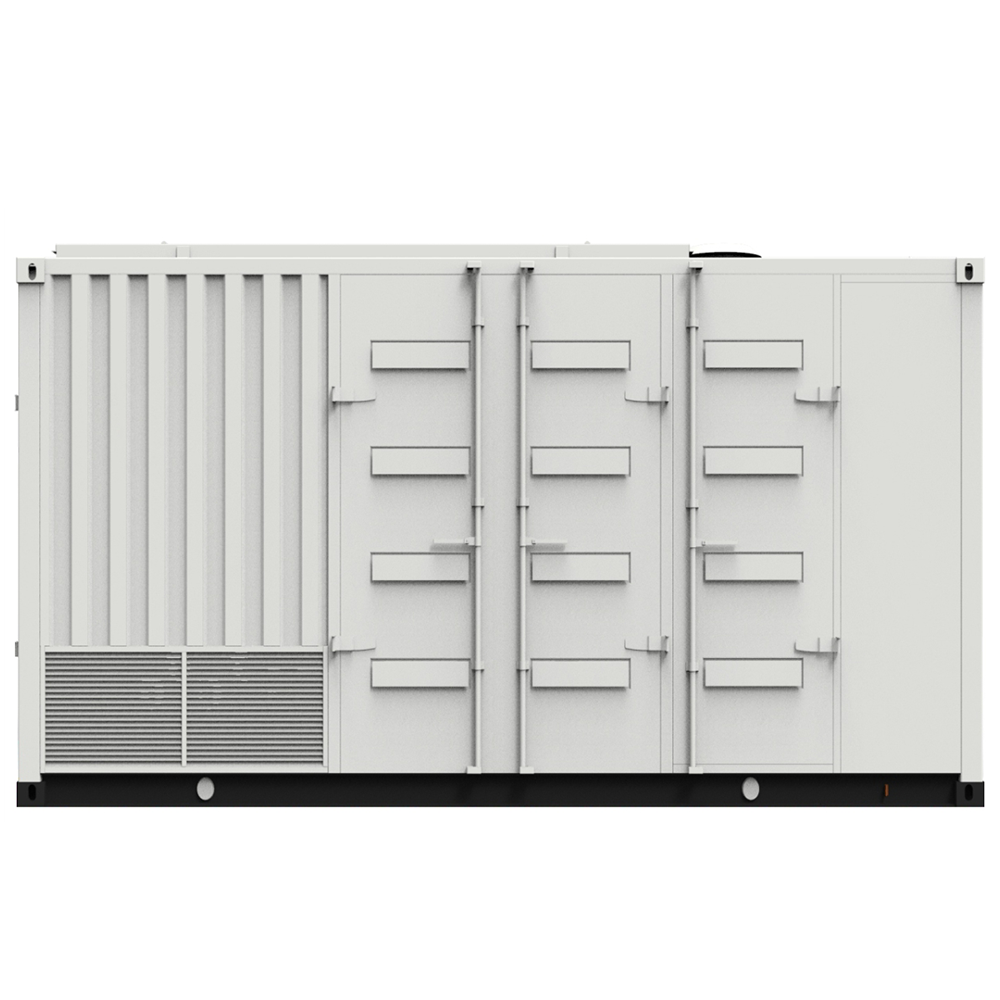
For projects considering megawatt-scale capacity, it can be useful to review the available 1MW-5MW product page as a starting point for discussing system scale with a supplier. The final configuration should still be based on confirmed site requirements rather than a product title alone.
From a chemical reaction to an industrial decision
Hydrogen electrolysis works by applying electricity to water in an electrolyzer, then managing the resulting gases through a complete balance of plant. The reaction is straightforward; making it dependable at industrial scale requires disciplined integration of power, water, process controls, gas handling, and safety.
For an awareness-stage project team, the next step is to convert the basic process flow into a site-specific requirements list. That gives engineers, procurement teams, and solution providers a common basis for comparing hydrogen electrolysis options without overstating performance before the operating conditions are known.