EN
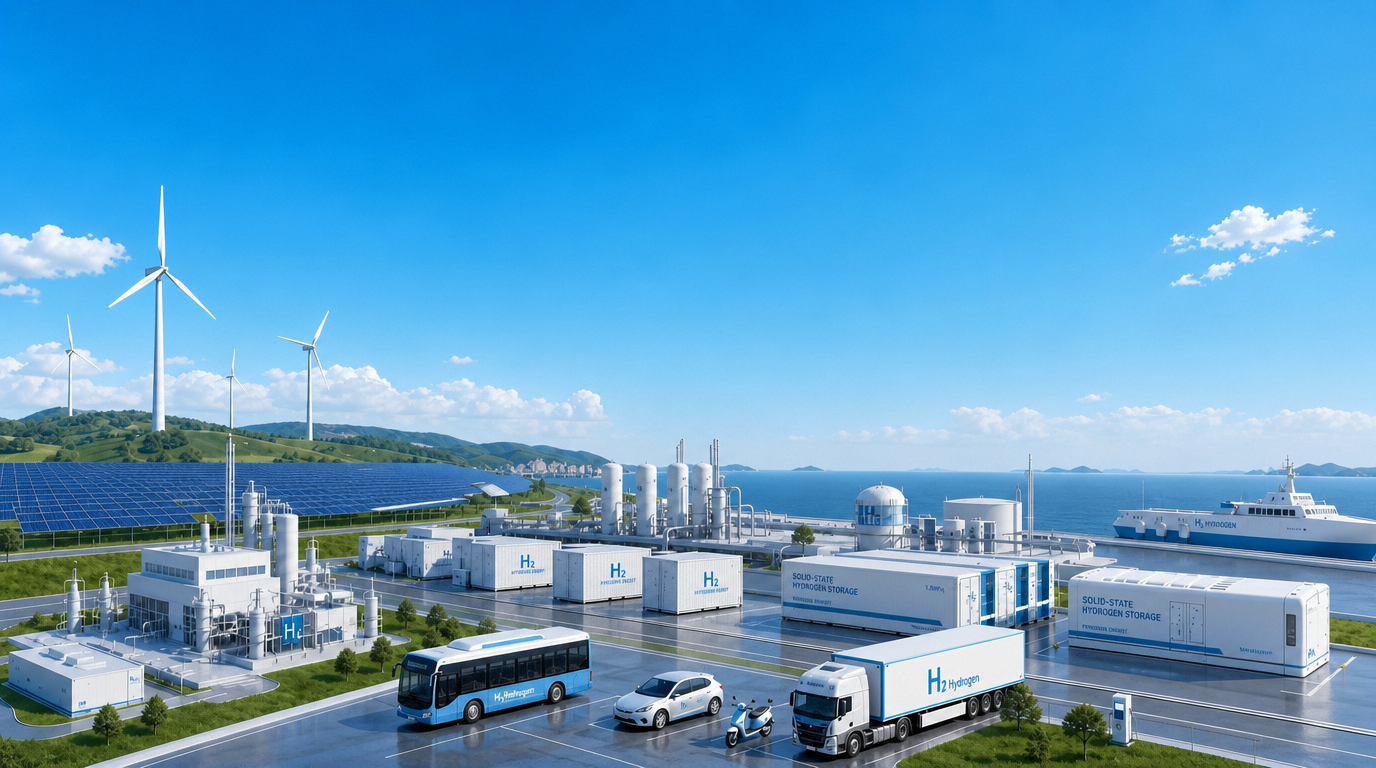
In short: Most hydrogen systems are centralized designs shrunk down to a smaller size — and that is why so many distributed projects stall on cost and permitting. The fix is to pick components for the constraints that actually apply at the poin...
Why Small-Scale Green Hydrogen Makes Strategic SenseGreen hydrogen offers small-scale businesses a unique opportunity to decouple from volatile fossil fuel markets while strengthening energy resilience. On-site production converts excess solar or win...
Understanding Electrolyzer Degradation: Root Causes and Early Warning SignsMembrane and Electrode Degradation in PEM and AWE ElectrolyzersIn both proton exchange membrane (PEM) and alkaline water electrolysis (AWE) systems, the membrane and electrode...
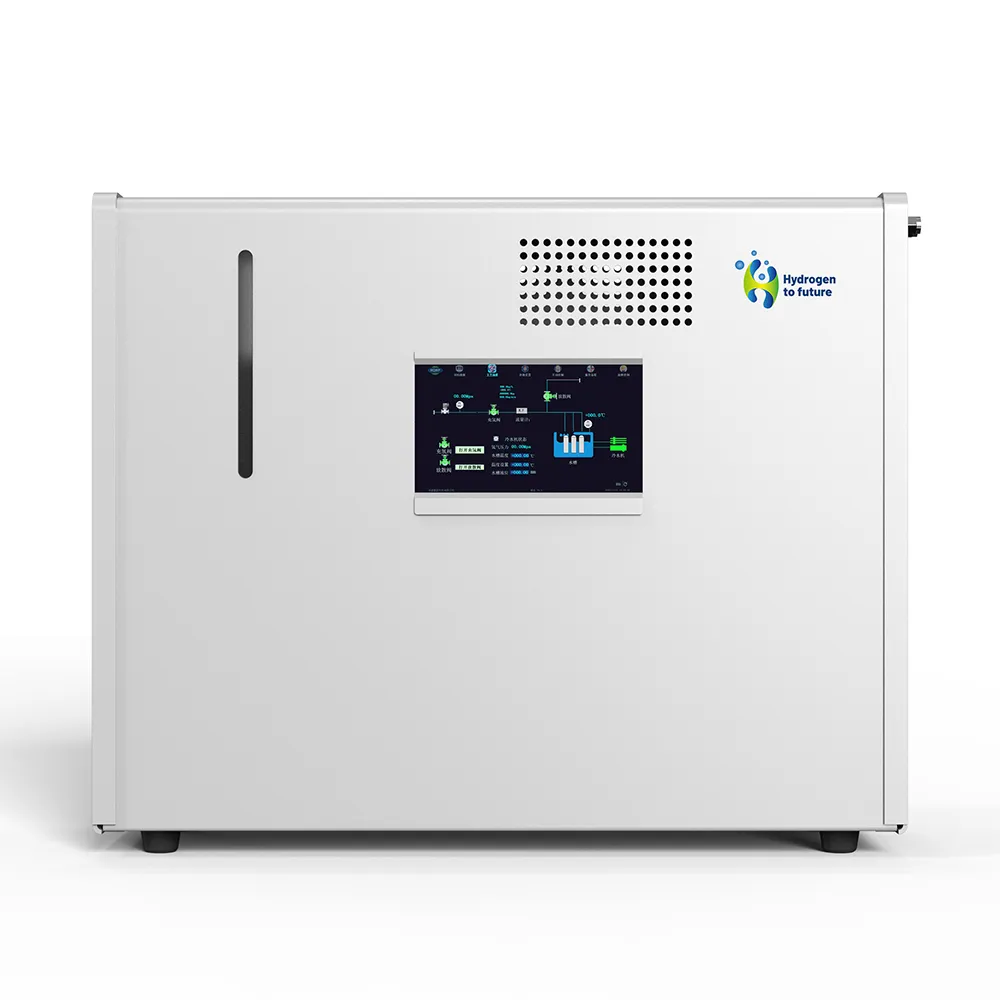
Hydrogen Safety and Storage Realities for Residential HPS Material compatibility and containment risks in home environments Storing hydrogen in a home demands rigorous attention to material compatibility. Hydrogen’s small molecular size enabl...
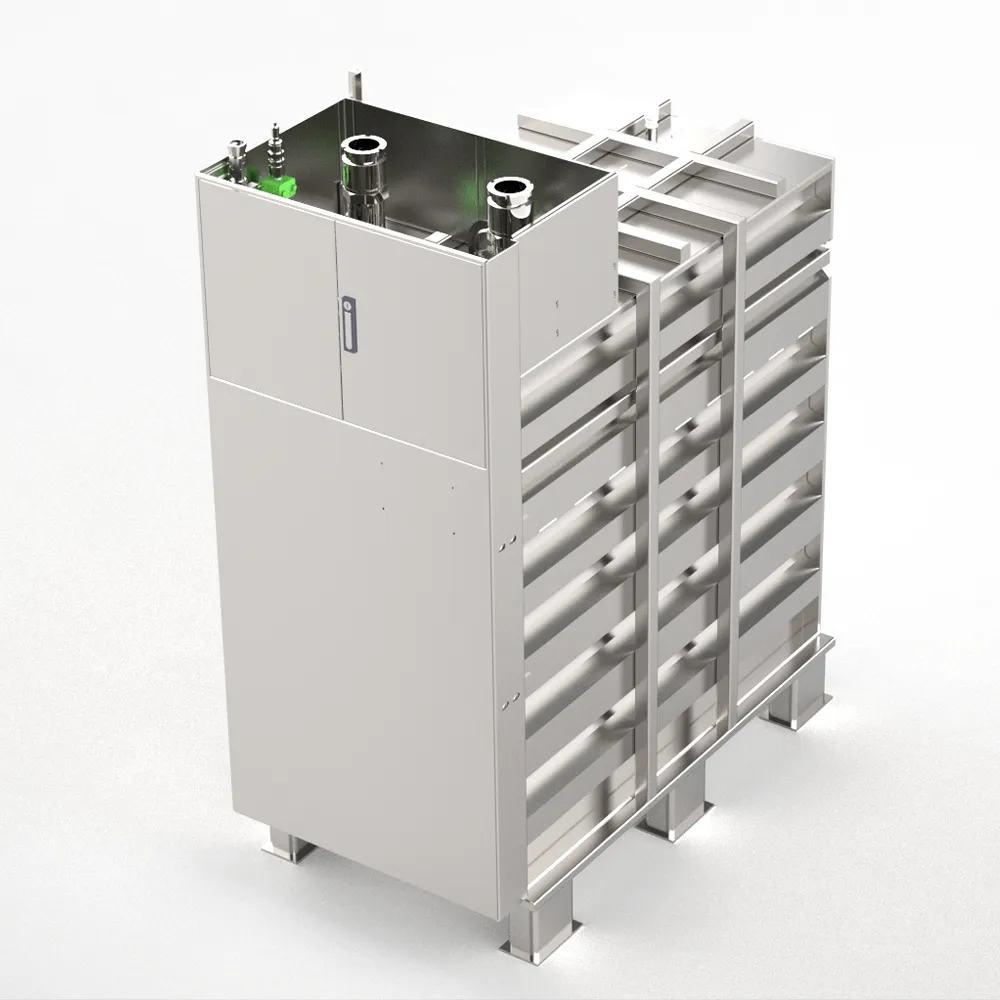
Inherent Safety Advantages of Metal Hydride Storage Over Conventional Methods Pressure-Independent Hydrogen Containment via Chemical Binding Metal hydride storage chemically binds hydrogen within its lattice structure, eliminating the need for high...
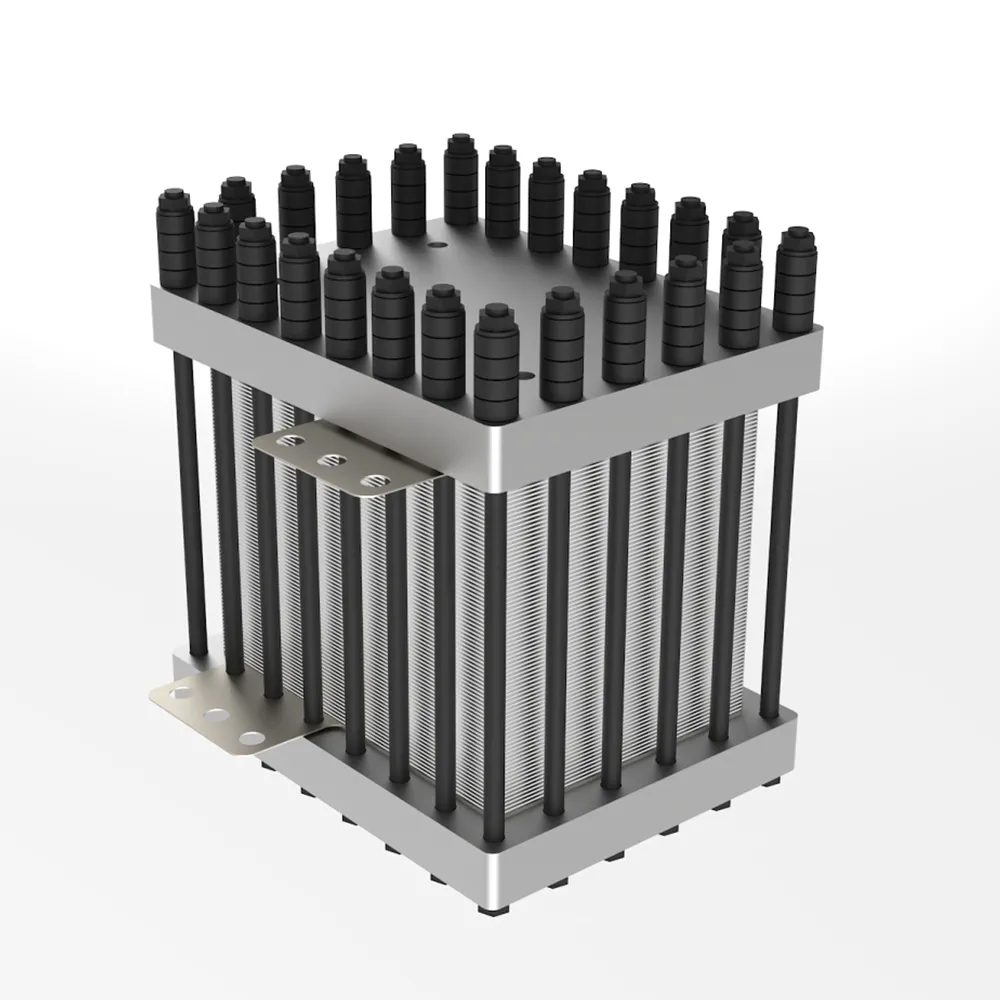
How AEM Electrolyzer Technology Works and Why It Stands OutCore Mechanism: Anion Exchange Membrane Water Electrolysis (AEMWE)An AEM electrolyzer splits water into hydrogen and oxygen using a solid anion exchange membrane that conducts hydroxide ions ...
Carbon Dioxide Emissions: Direct Use and Full LifecyclePoint-of-Use Combustion: Zero-CO₂ Hydrogen Energy vs High-CO₂ Natural GasWhen burned directly, hydrogen produces only water vapor—zero CO₂ at the point of use. In contrast, natural gas combustion...
Understanding AEM-Specific Degradation MechanismsHydroxide ion conductivity loss and polymer backbone hydrolysis under alkaline conditionsAEM (Anion Exchange Membrane) electrolyzers experience progressive performance decline primarily due to hydroxid...
How Electrolyzers Work: Core Principles and Ion Transport Mechanisms The Universal Water Electrolysis Reaction and Thermodynamic Baseline Electrolysis splits water (H₂O) into hydrogen (H₂) and oxygen (O₂) using electricity, governed by the reaction...
Dynamic Response to Solar Variability: PEM Agility vs AEM Stability Ramp-Up Speed and Transient Response: Why PEM’s Sub-Second Capability Matters Less Than Often Assumed Proton Exchange Membrane (PEM) electrolyzers deliver rapid power adjustments i...
 EN
EN